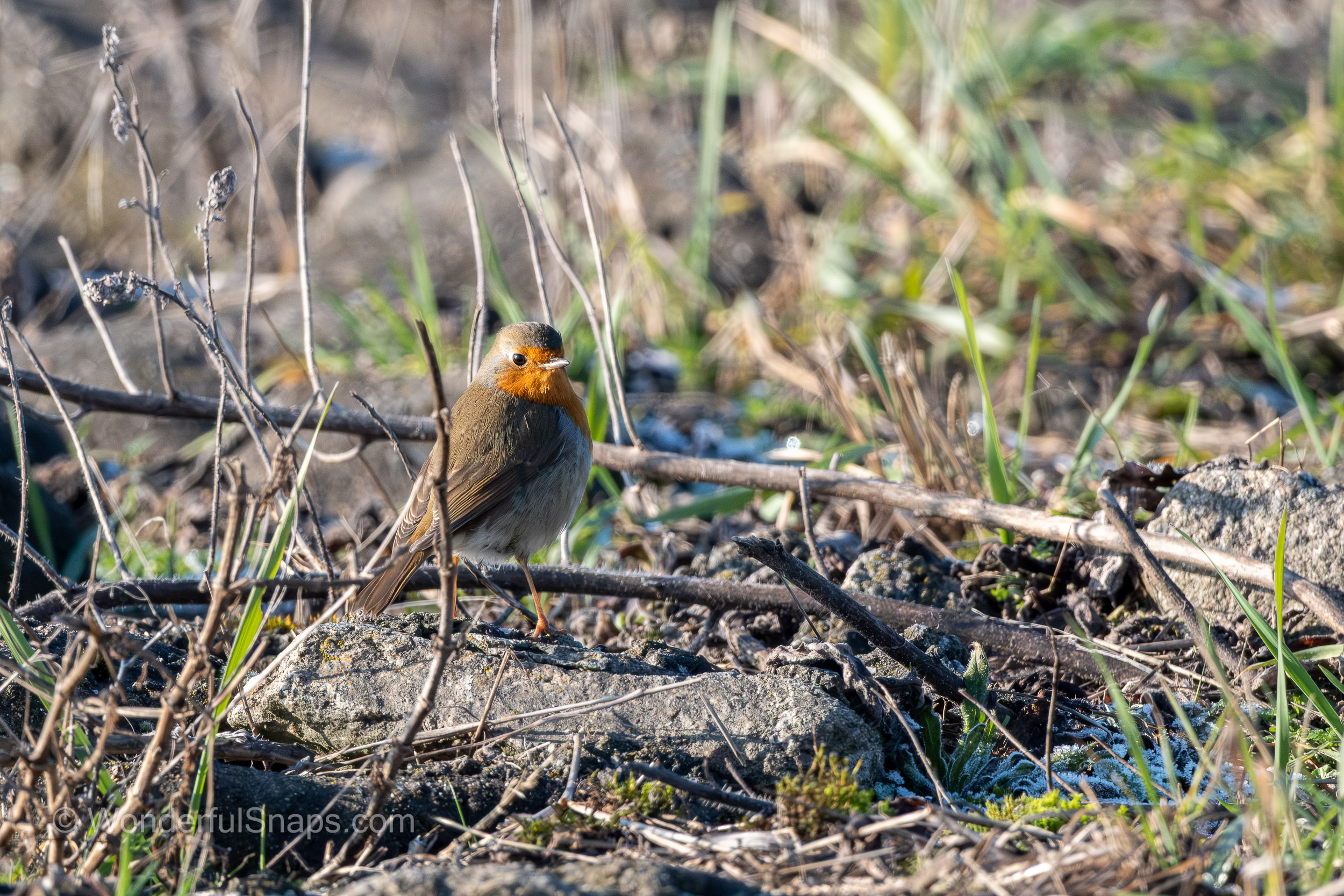
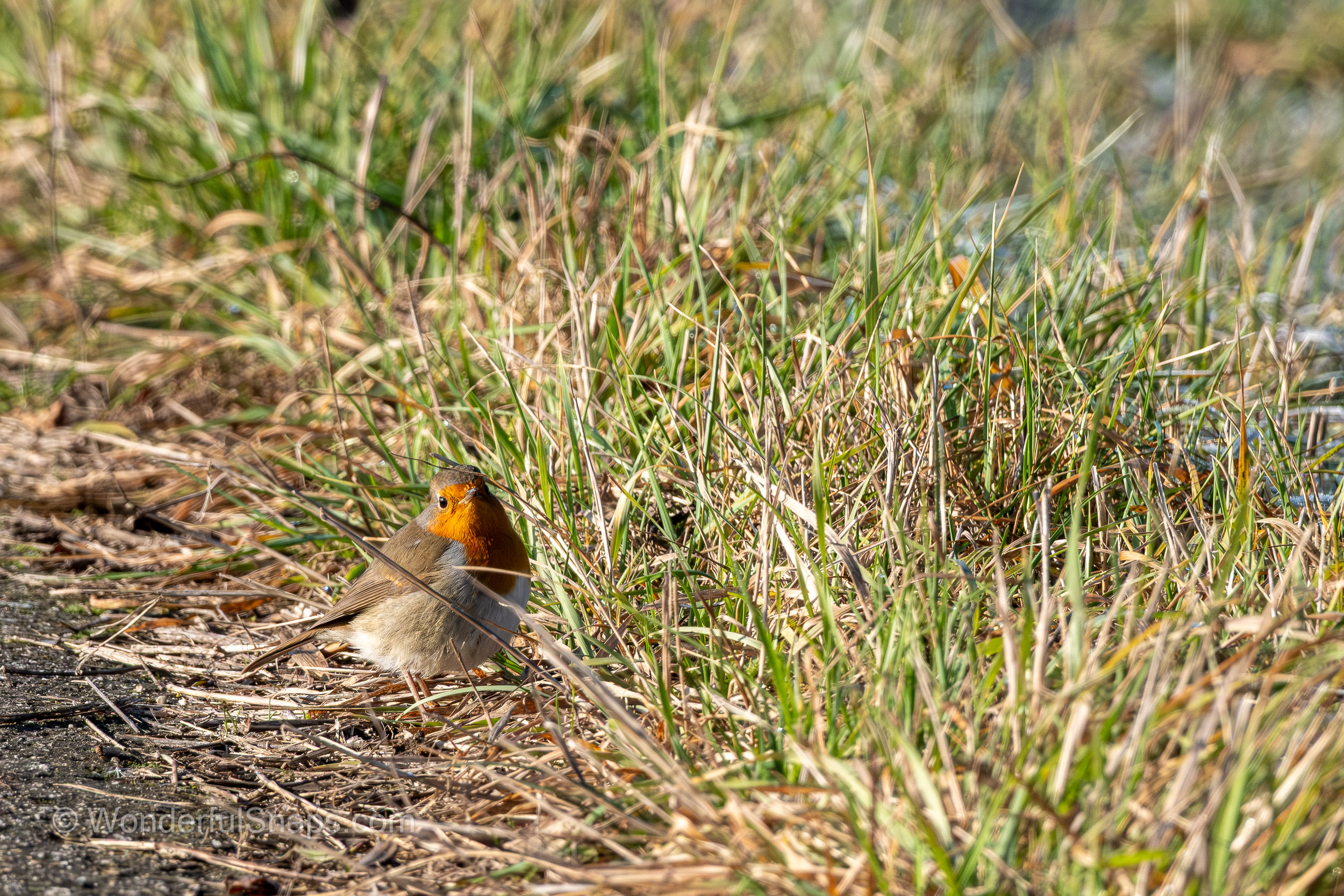
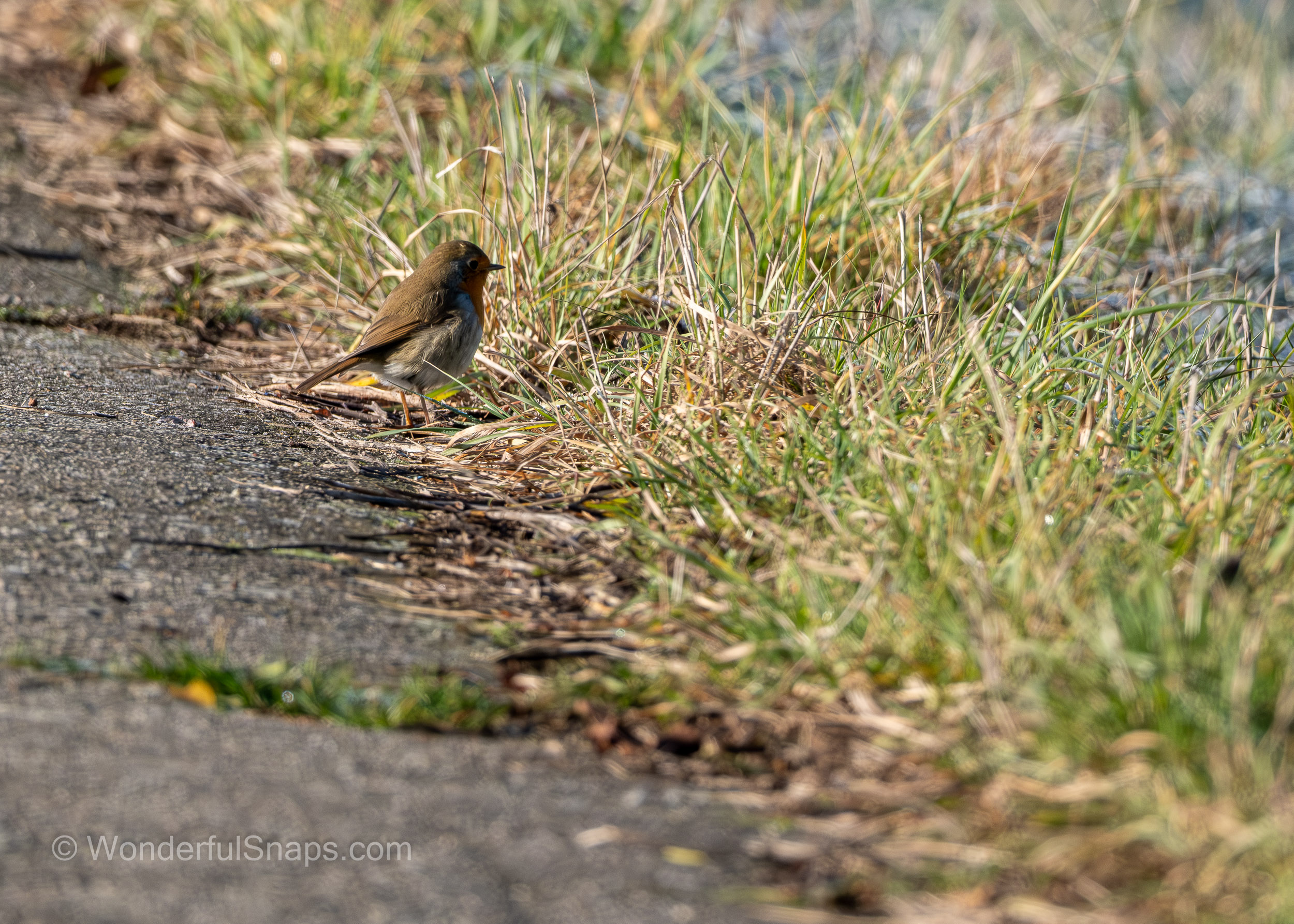
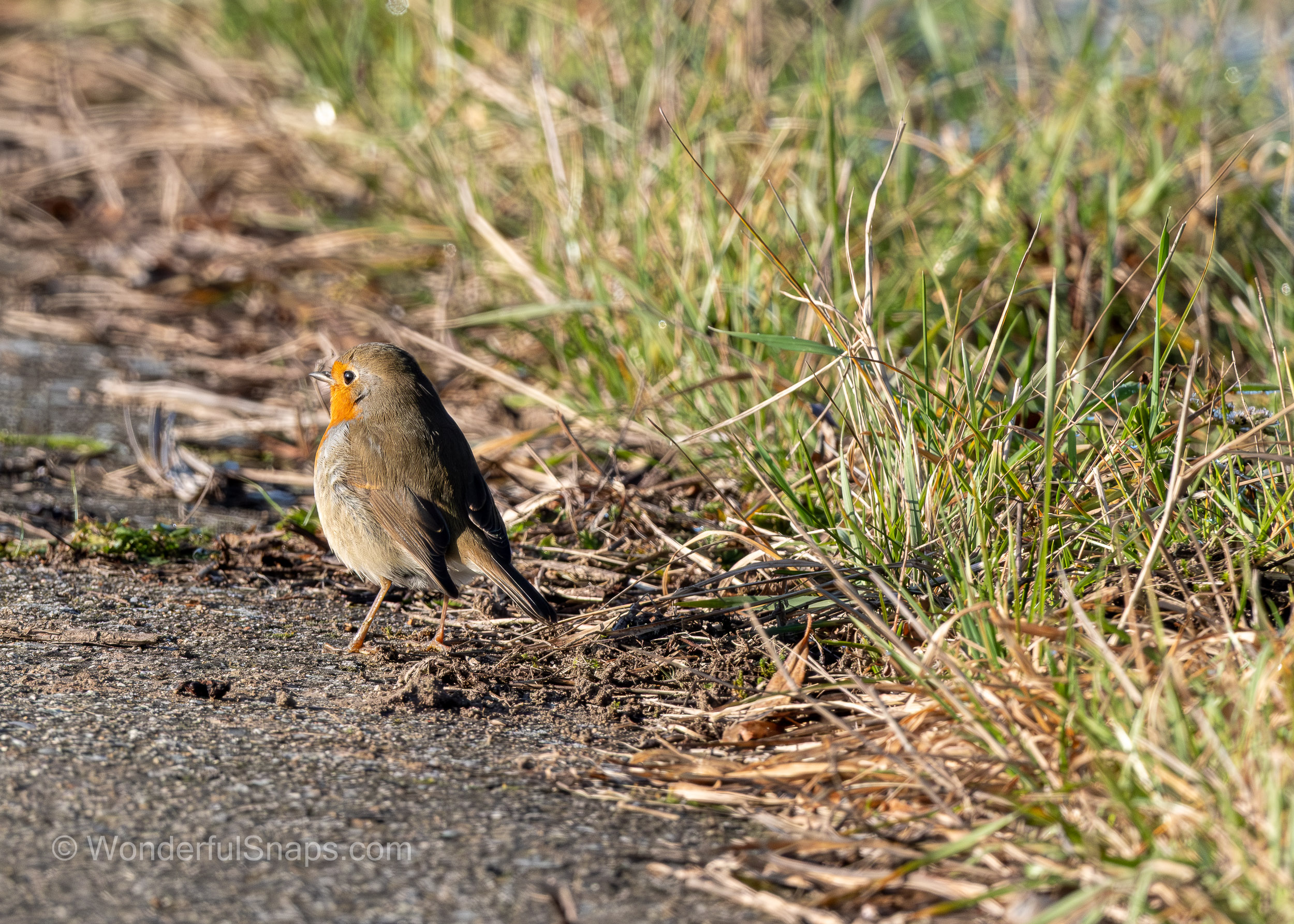


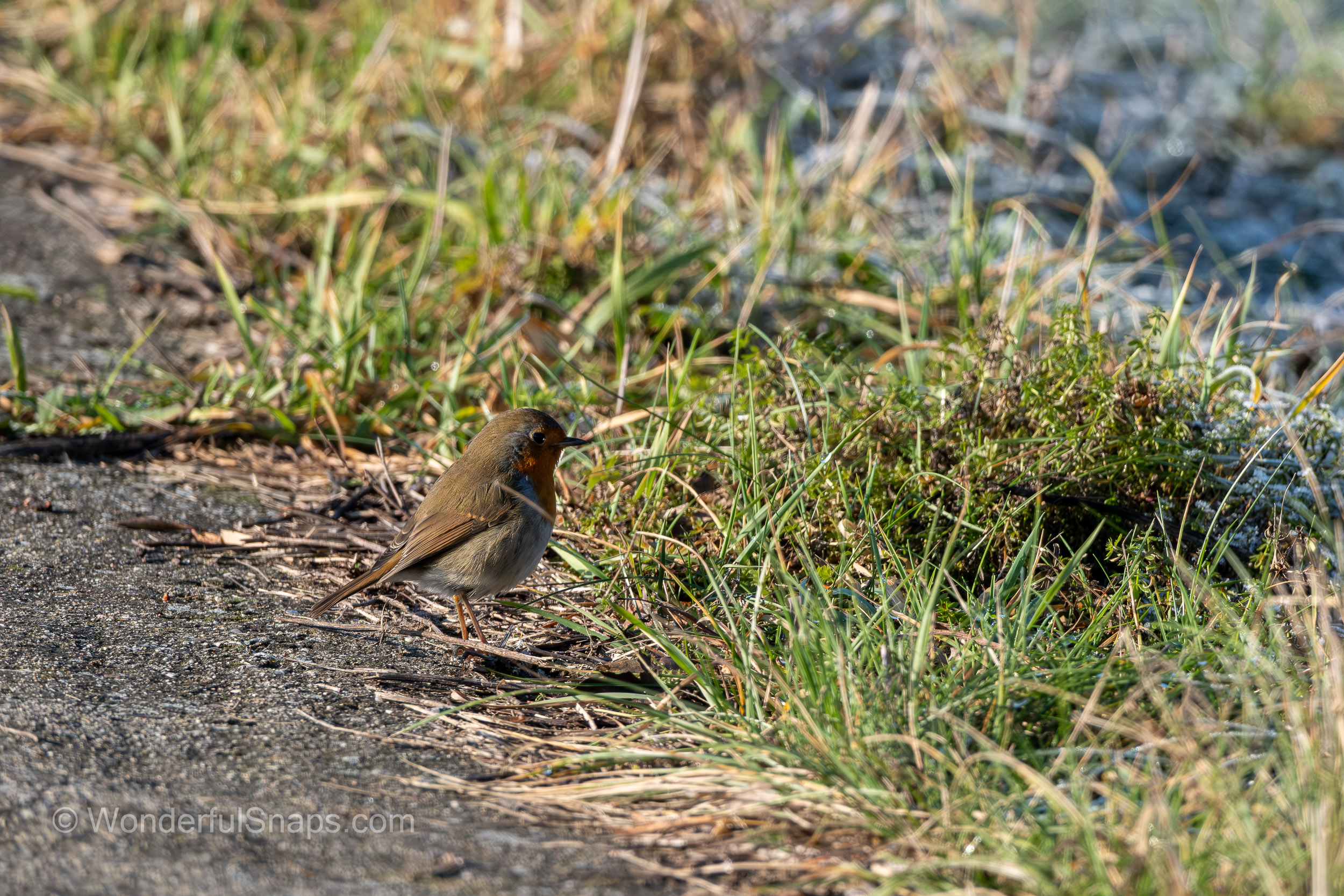

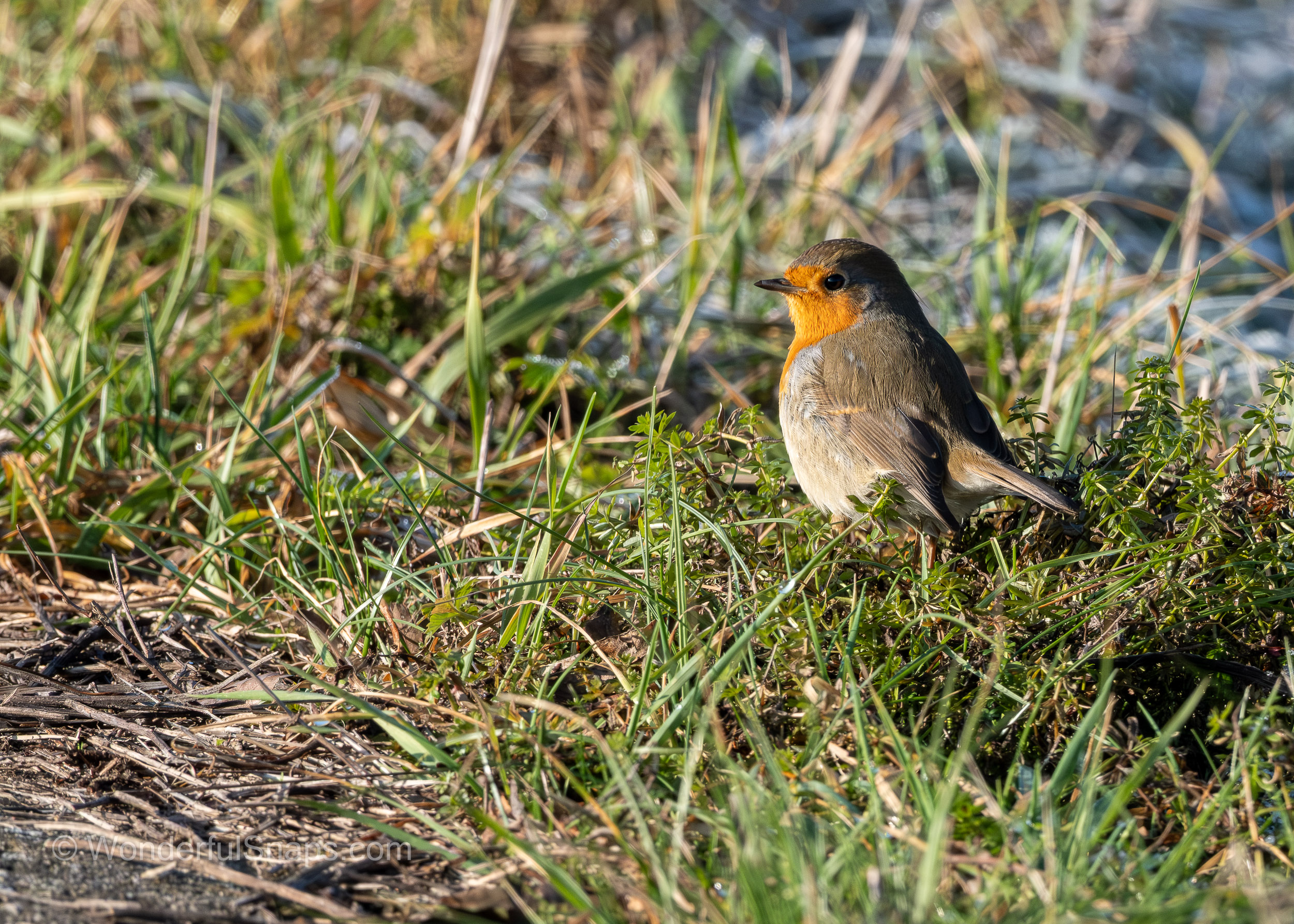
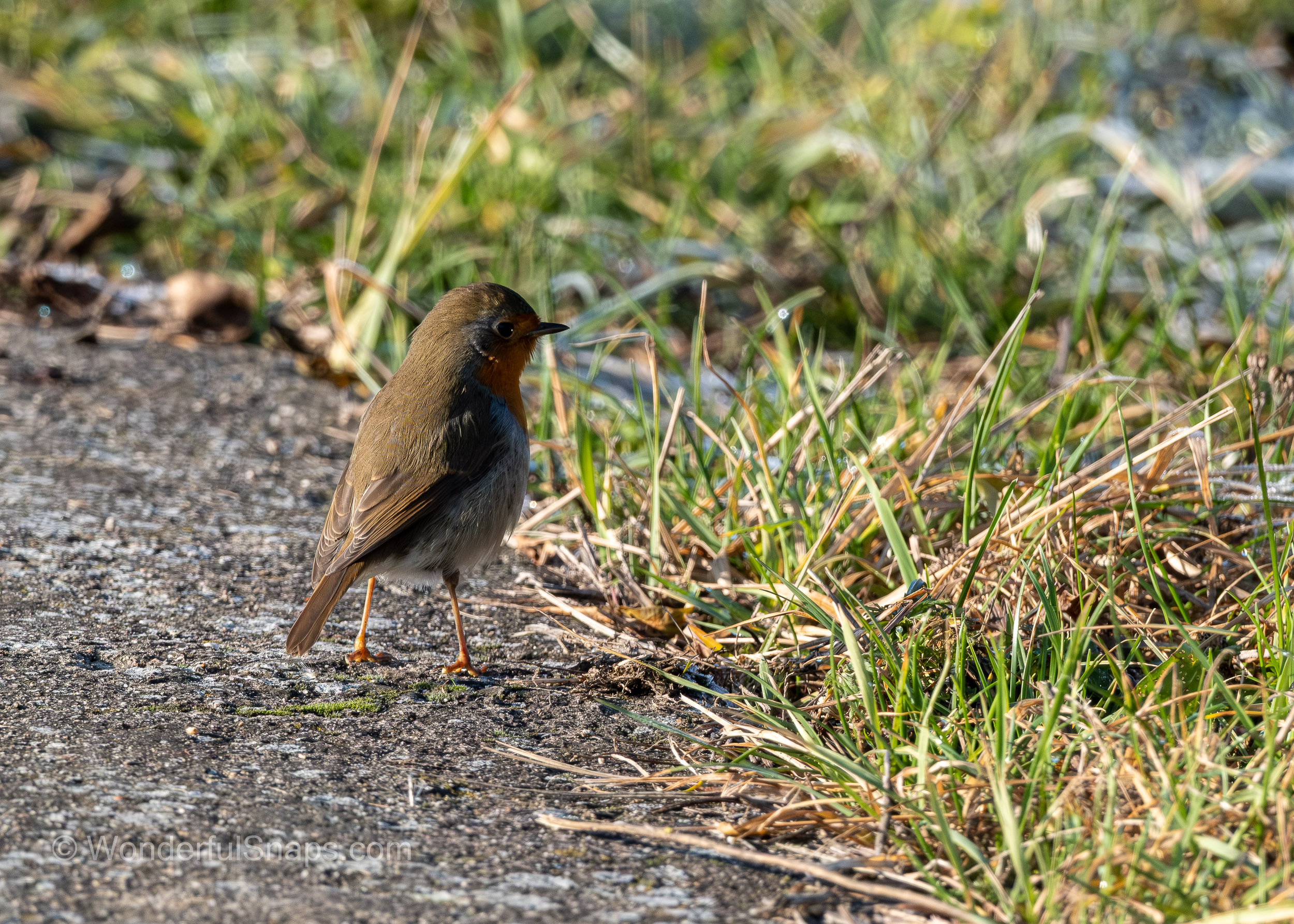
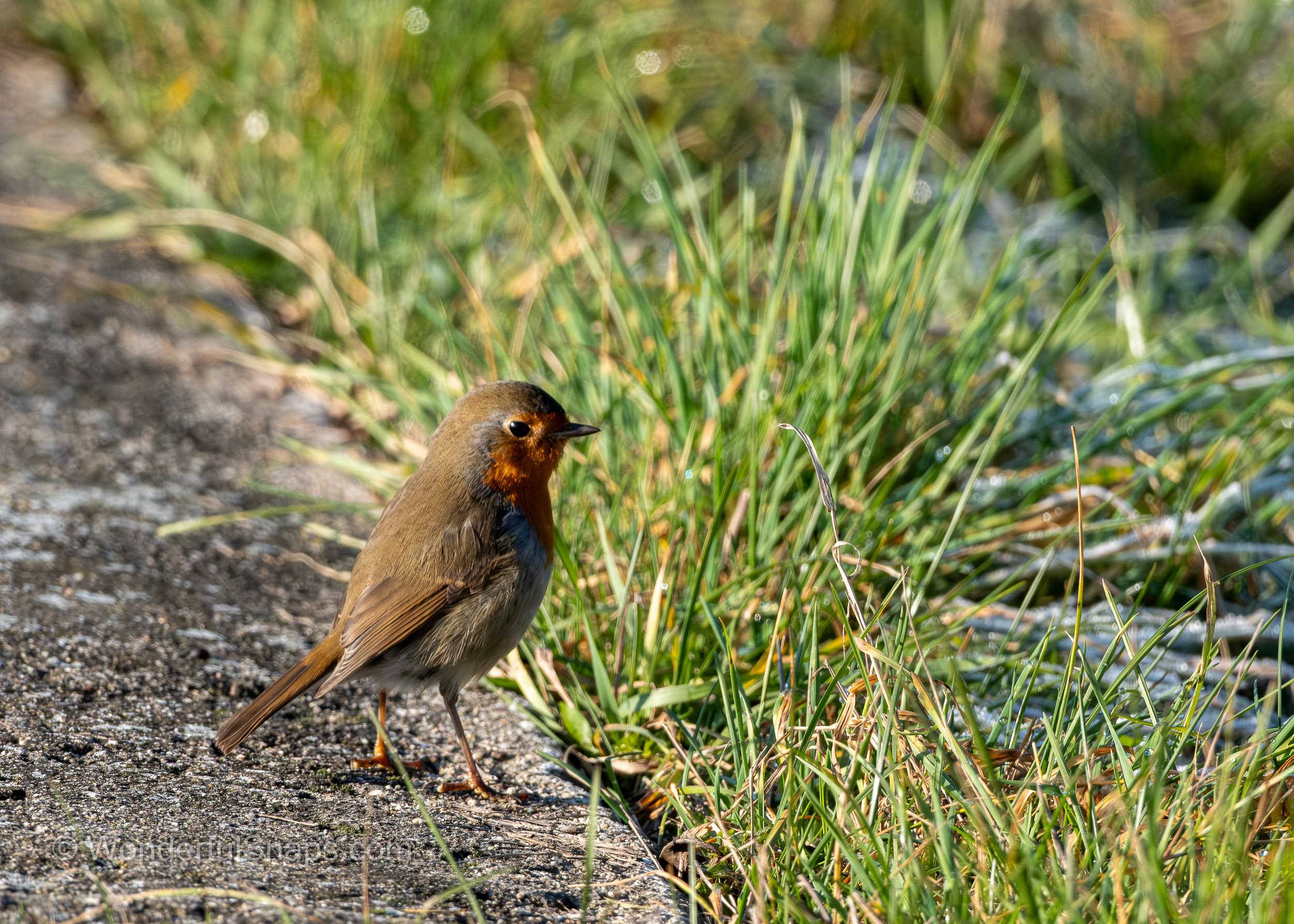
Captured against the stunning backdrop of the Nove Mlyny reservoirs in South Moravia, these images highlight the resilient spirit of the European Robin, known locally in the Czech Republic as the cervenka obecna. While this region is famous for its sprawling vineyards and the limestone peaks of the Palava Hills, the quiet reed beds and frosty banks of the reservoirs provide a vital winter sanctuary for these small songbirds. In this series, the robin is seen navigating the transition between the weathered terrain and the brittle, winter worn grass typical of the Moravian basin. The vibrant orange red breast, a splash of warmth against the cool, muted tones of the Czech winter, is more than just a beautiful feature. It acts as a vital territorial signal, crucial for claiming foraging grounds when resources are scarce during the colder months.
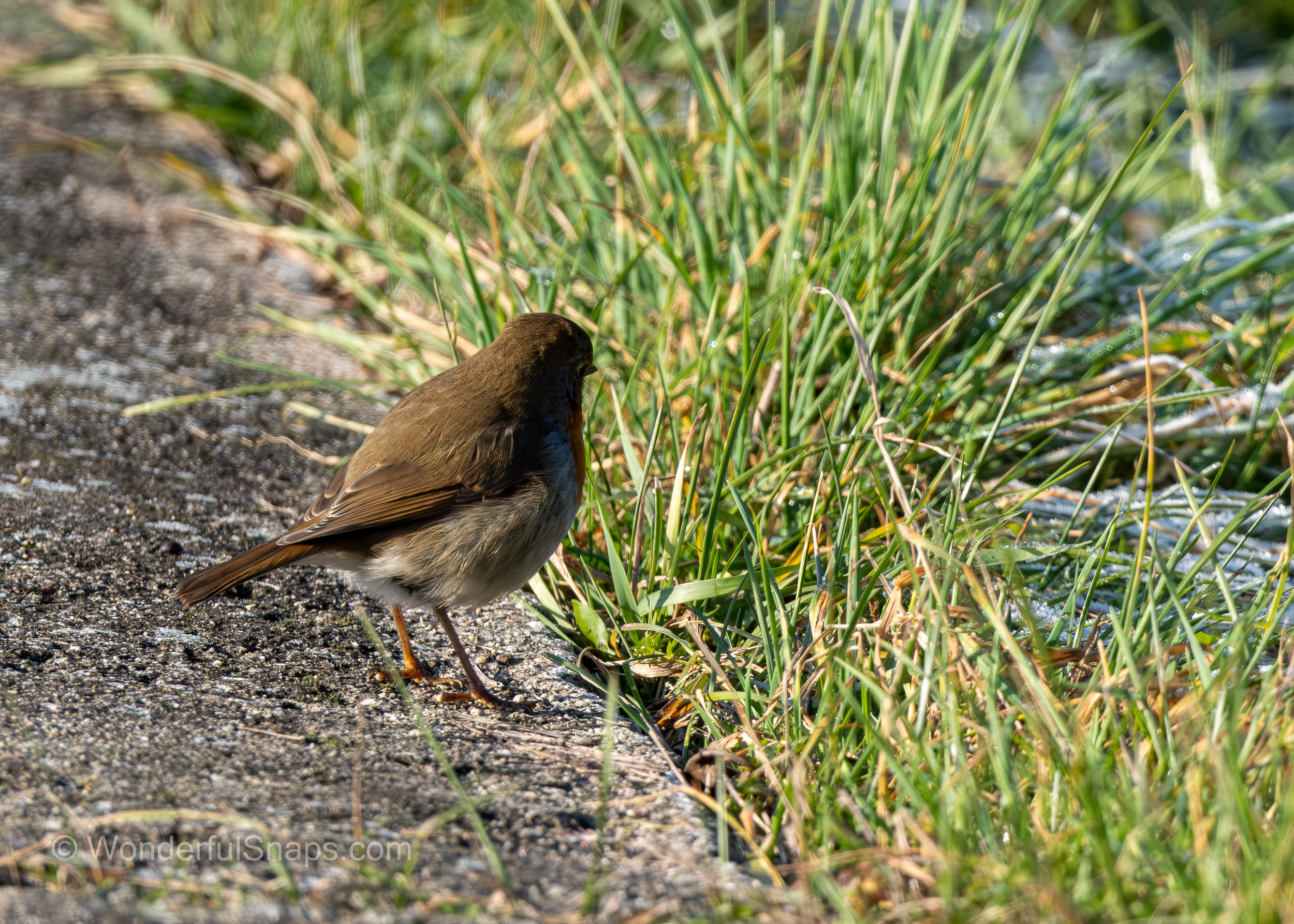
The harsh winds blowing across the open waters of Nove Mlyny require specific adaptations for survival. When the temperature drops across the Moravian basin, the robin undergoes a physiological process called piloerection. By fluffing its feathers, it creates a thick layer of trapped air that acts as a natural insulator against the sub zero chill. This gives the bird its characteristic round, puffed up appearance a tiny sphere of life foraging amidst the frost. With its large, dark eyes, the robin scans the ground for dormant insects or seeds hidden among the winter grass, remaining a constant, active presence while other species have long since migrated. The contrast between the bird's delicate frame and the vast, icy expanse of the South Moravian landscape creates a powerful narrative of endurance.
The lighting in these captures emphasises the subtle earthy tones of the robin's wings, which blend seamlessly with the dormant vegetation of the reservoir banks. Unlike many other birds that depart the Czech Republic for warmer climates, many robins remain year round, becoming a familiar, friendly presence for those walking the trails near the water. These images serve as a beautiful record of life persisting in the heart of South Moravia, reminding us of the quiet beauty found in the Palava region in winter.