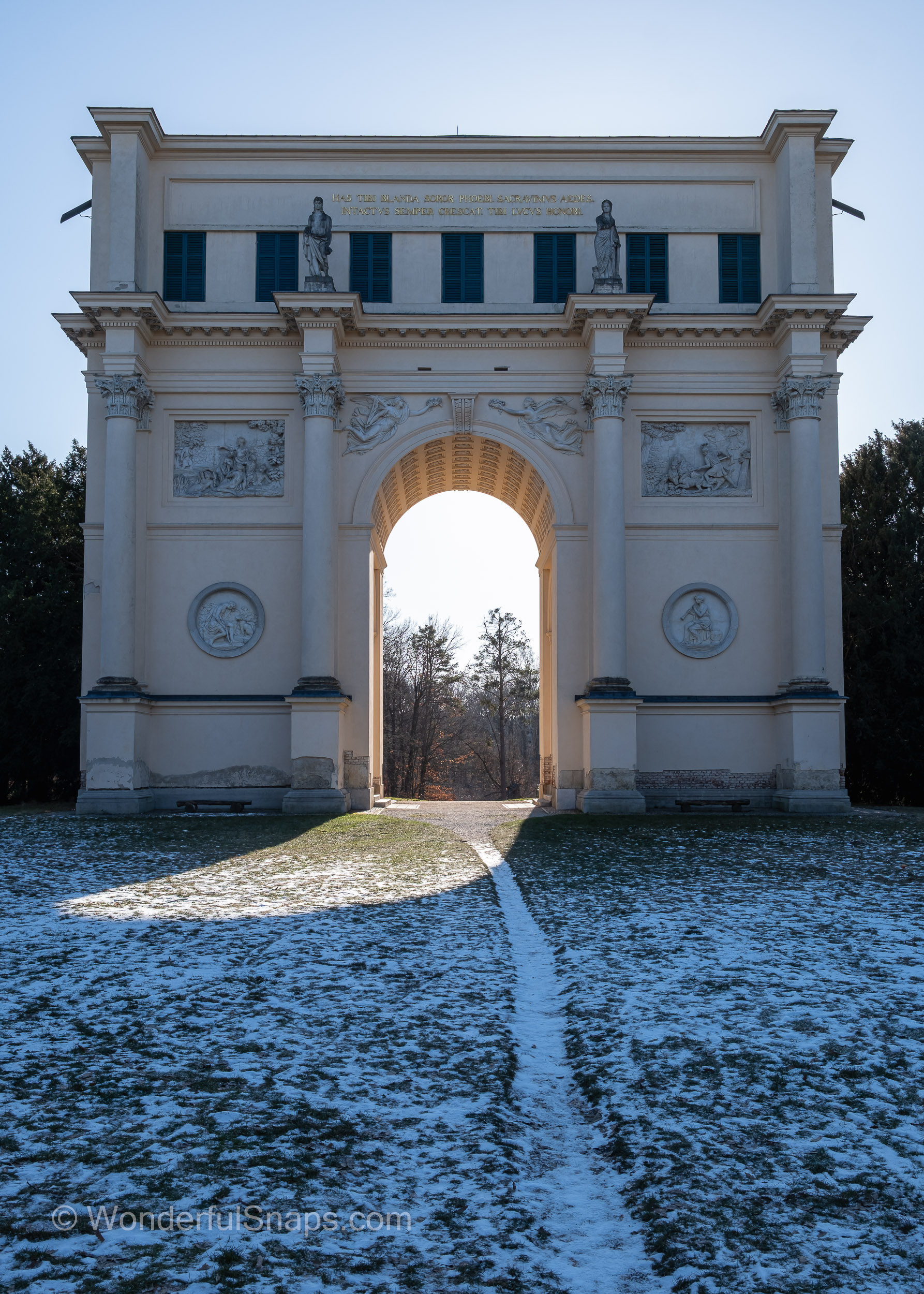
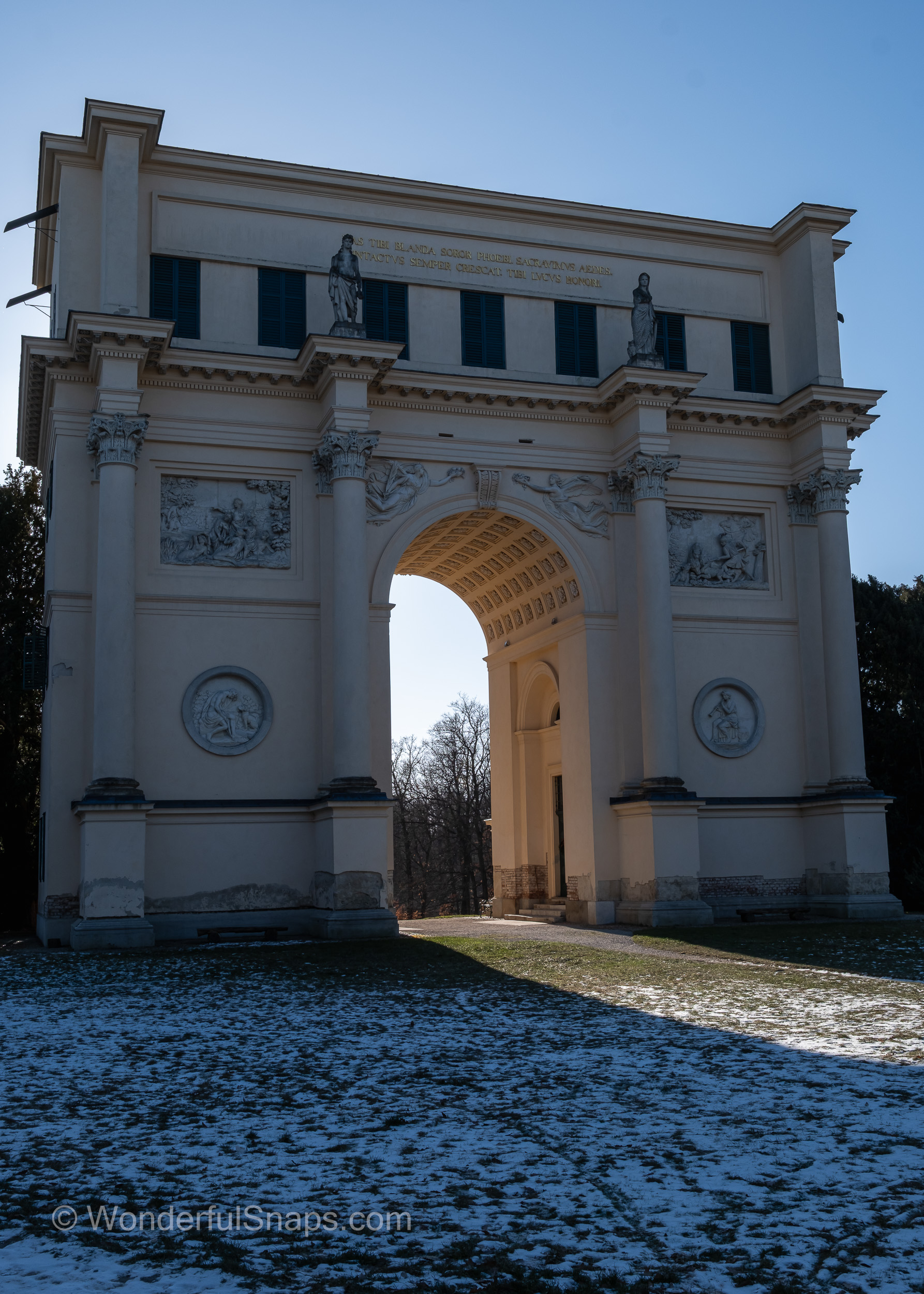
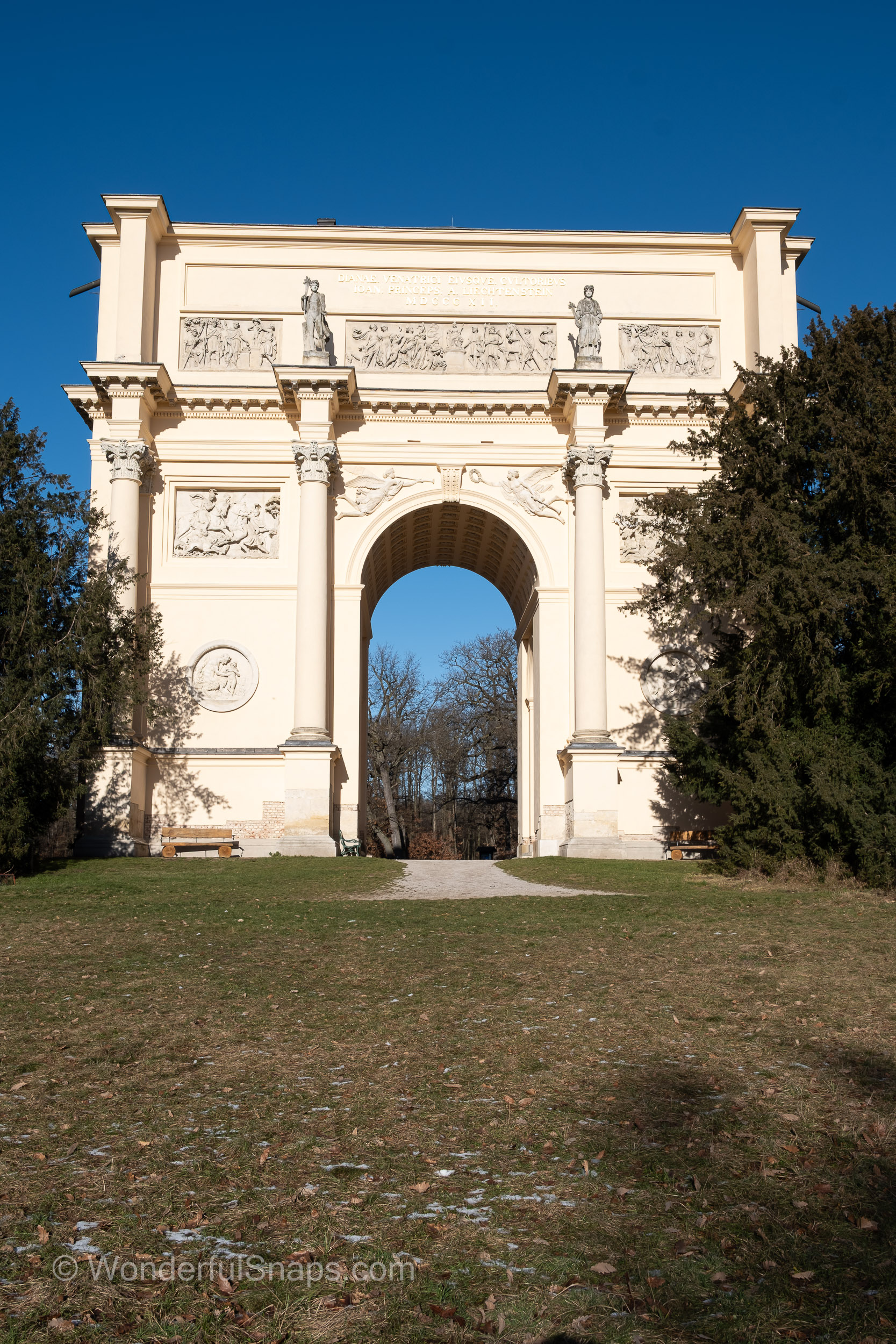
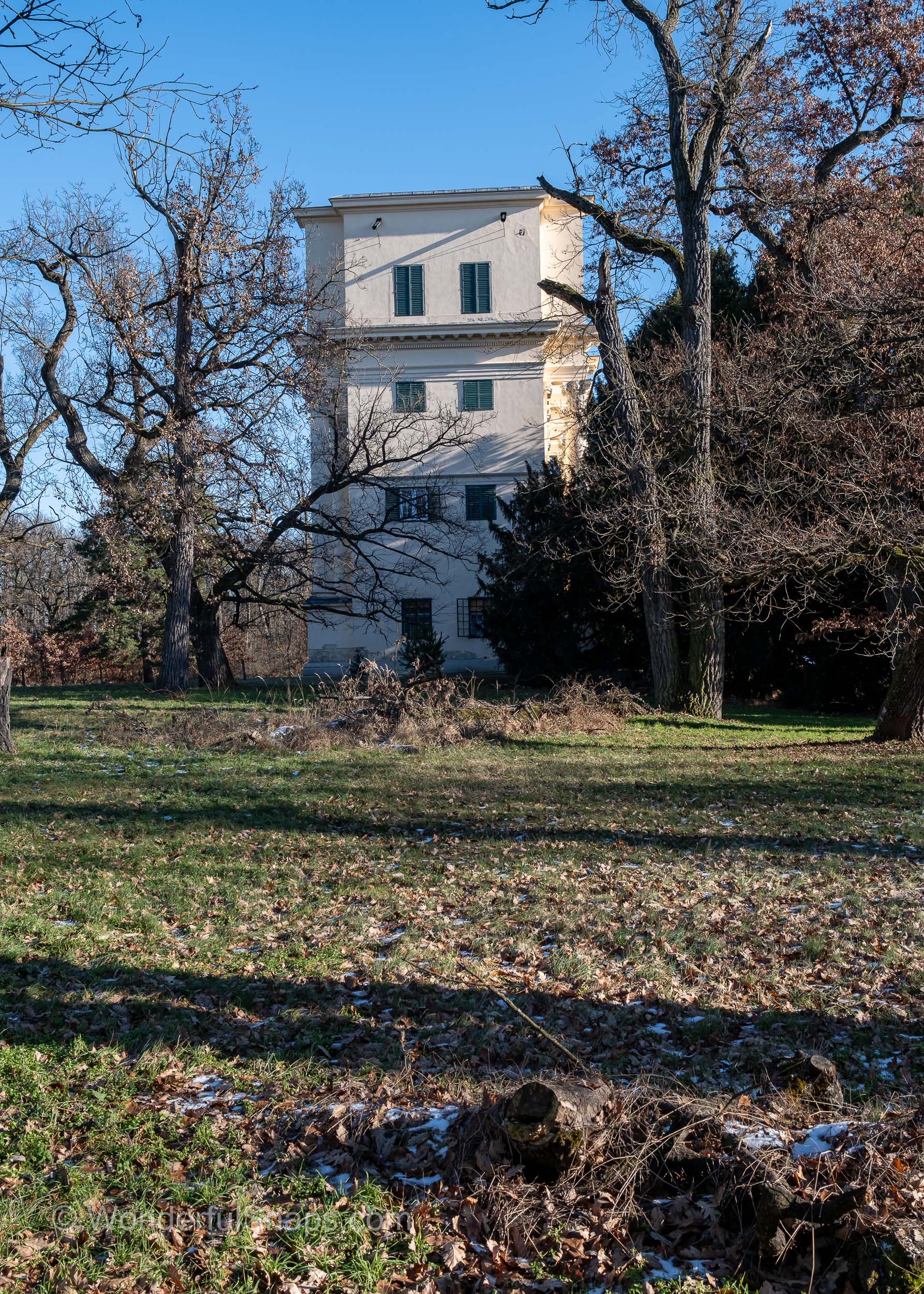
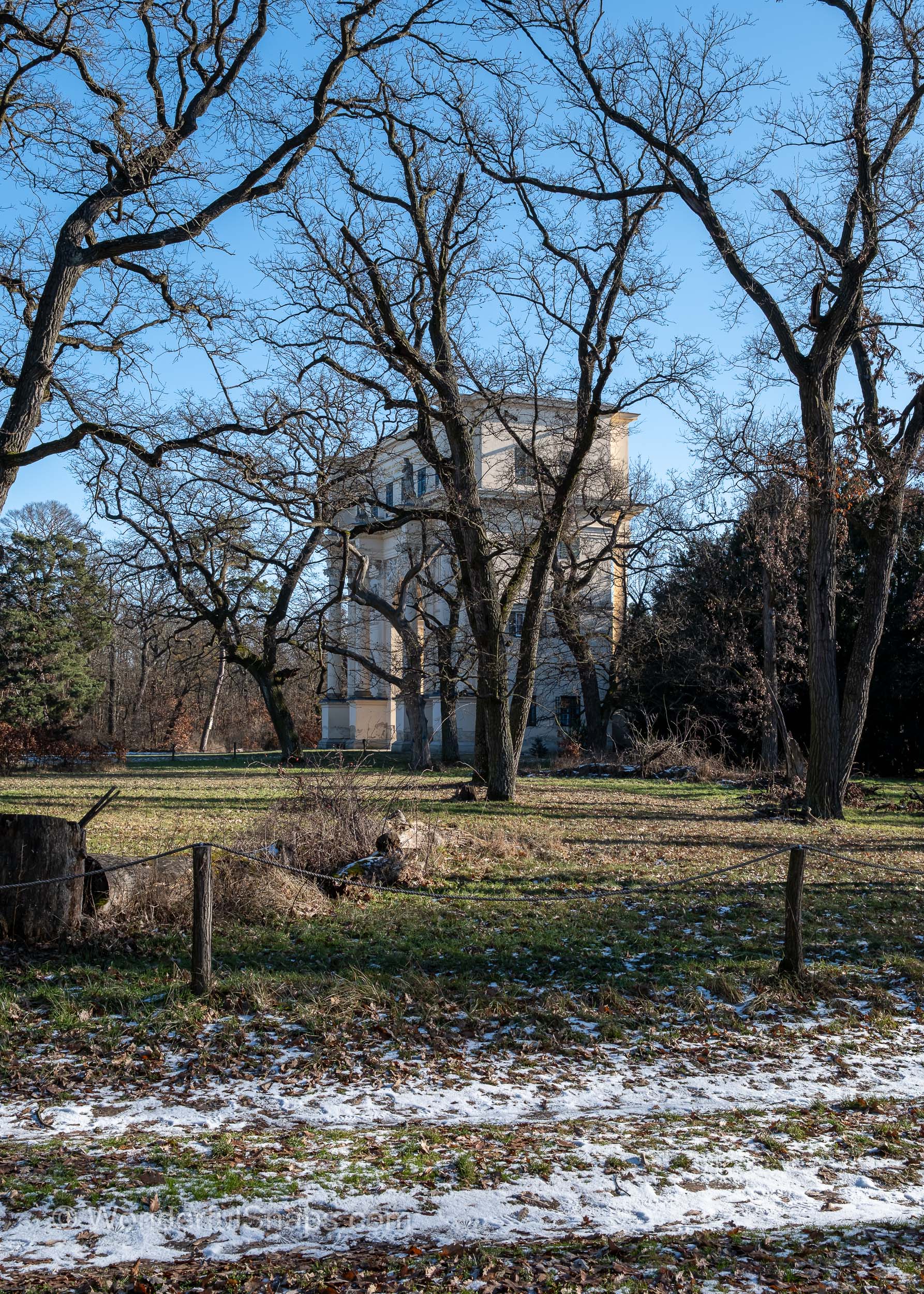
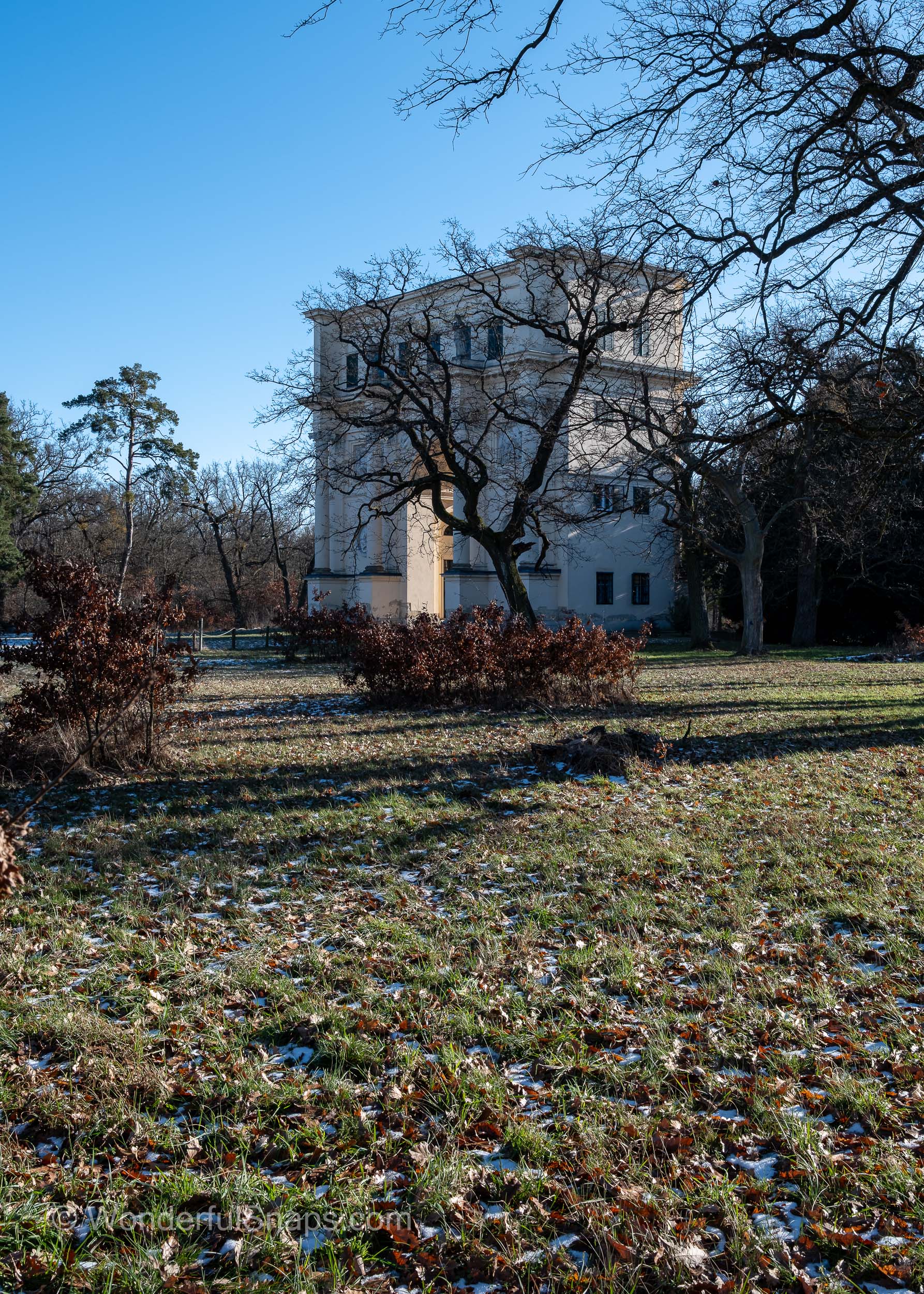
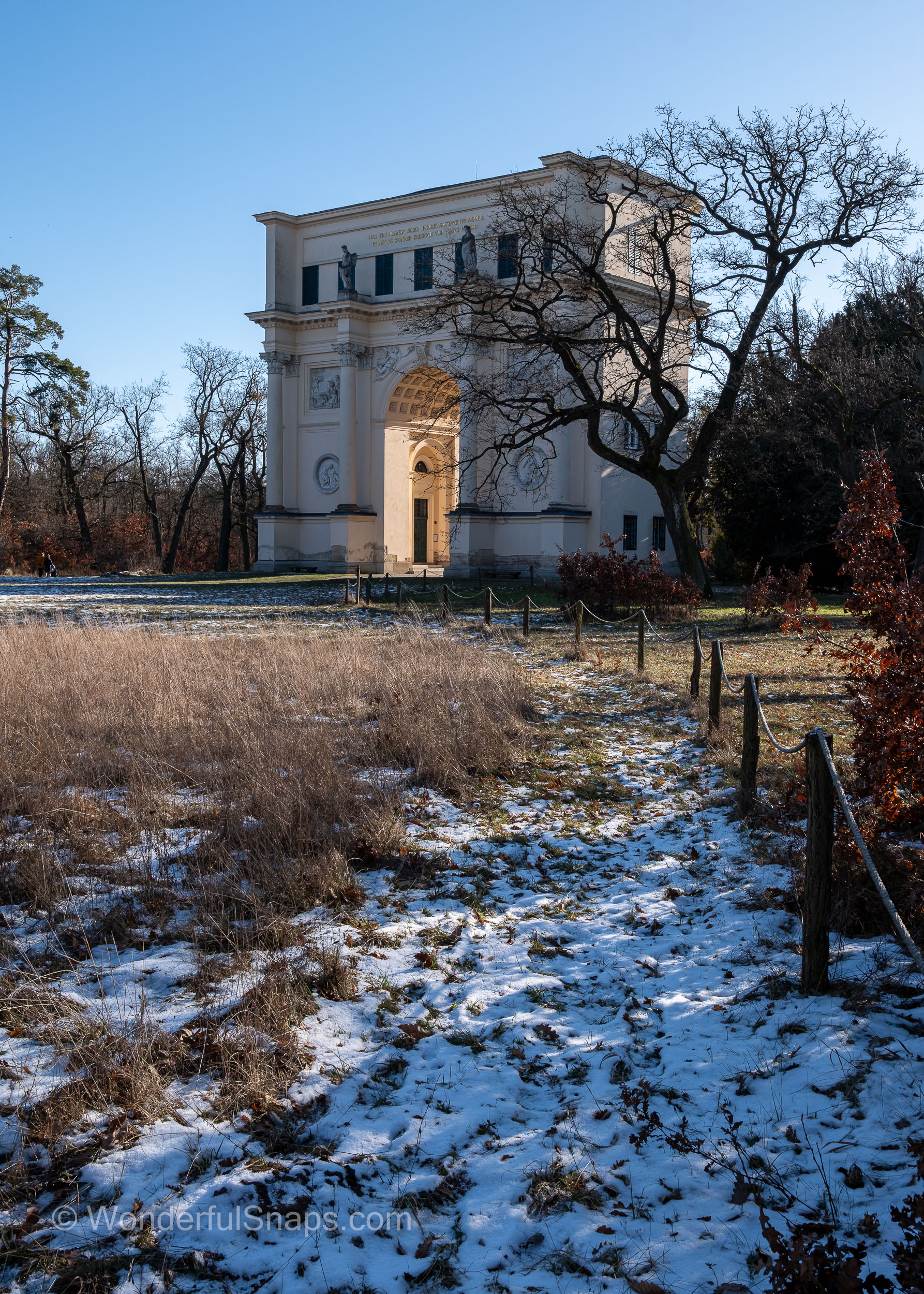
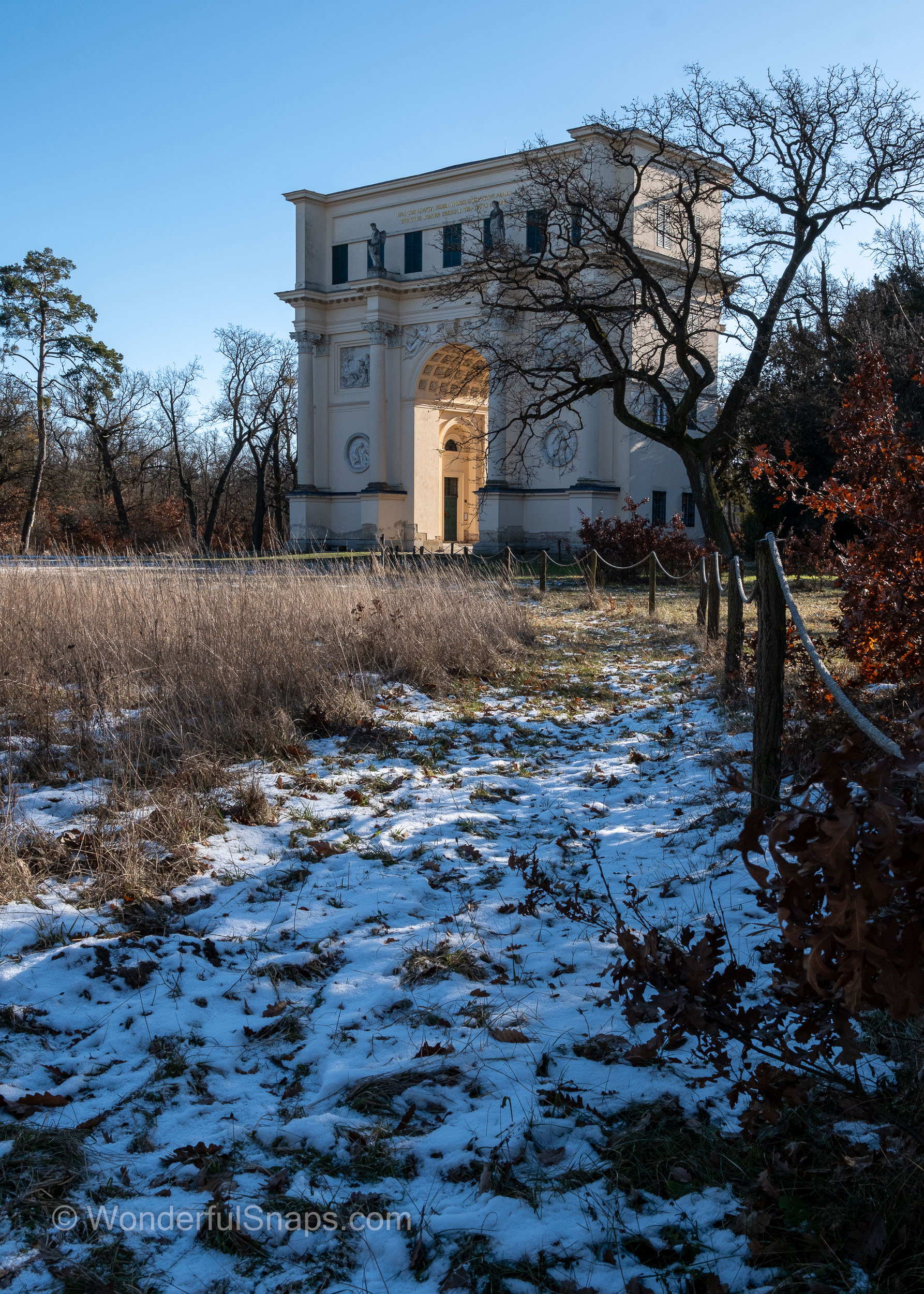
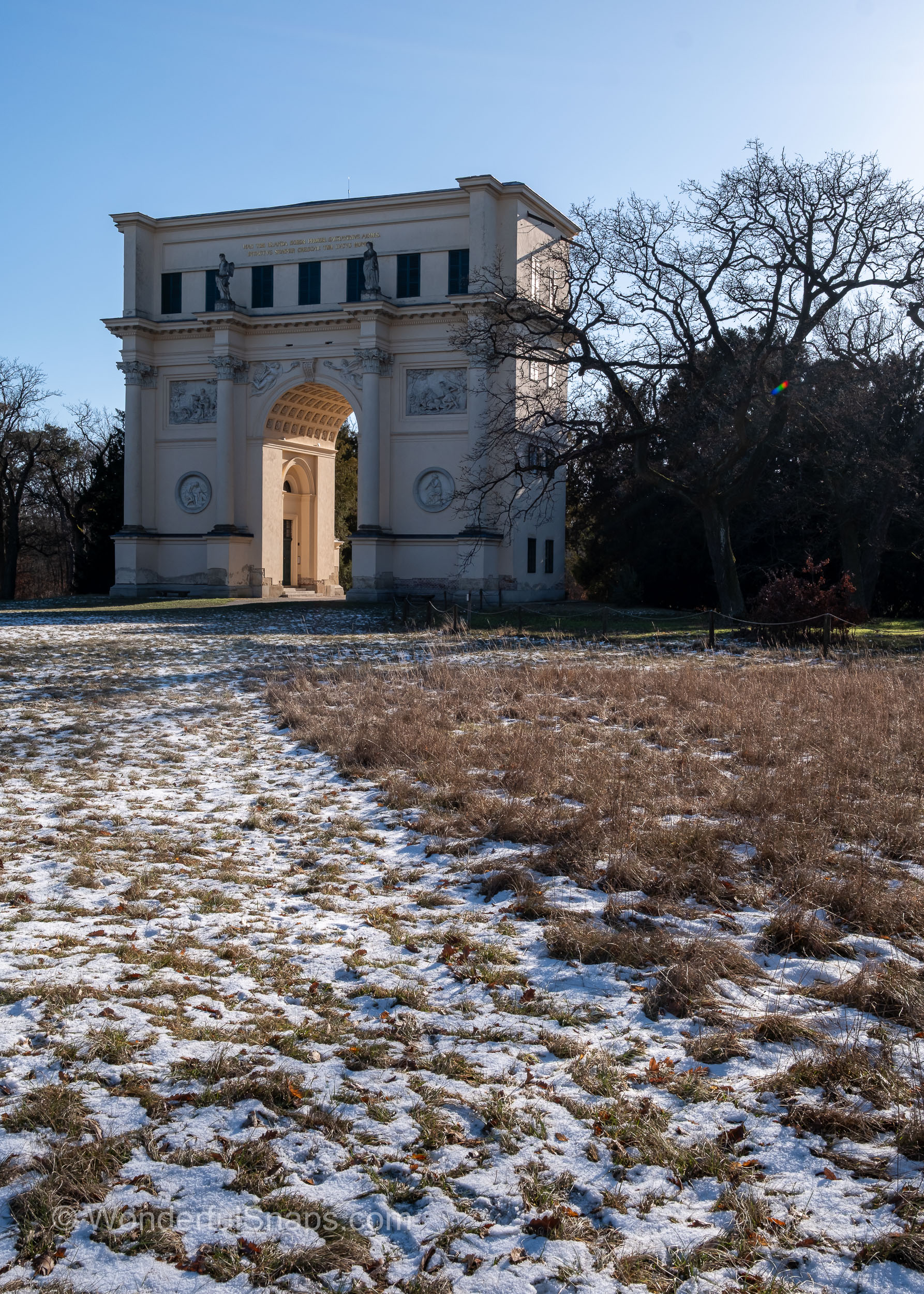
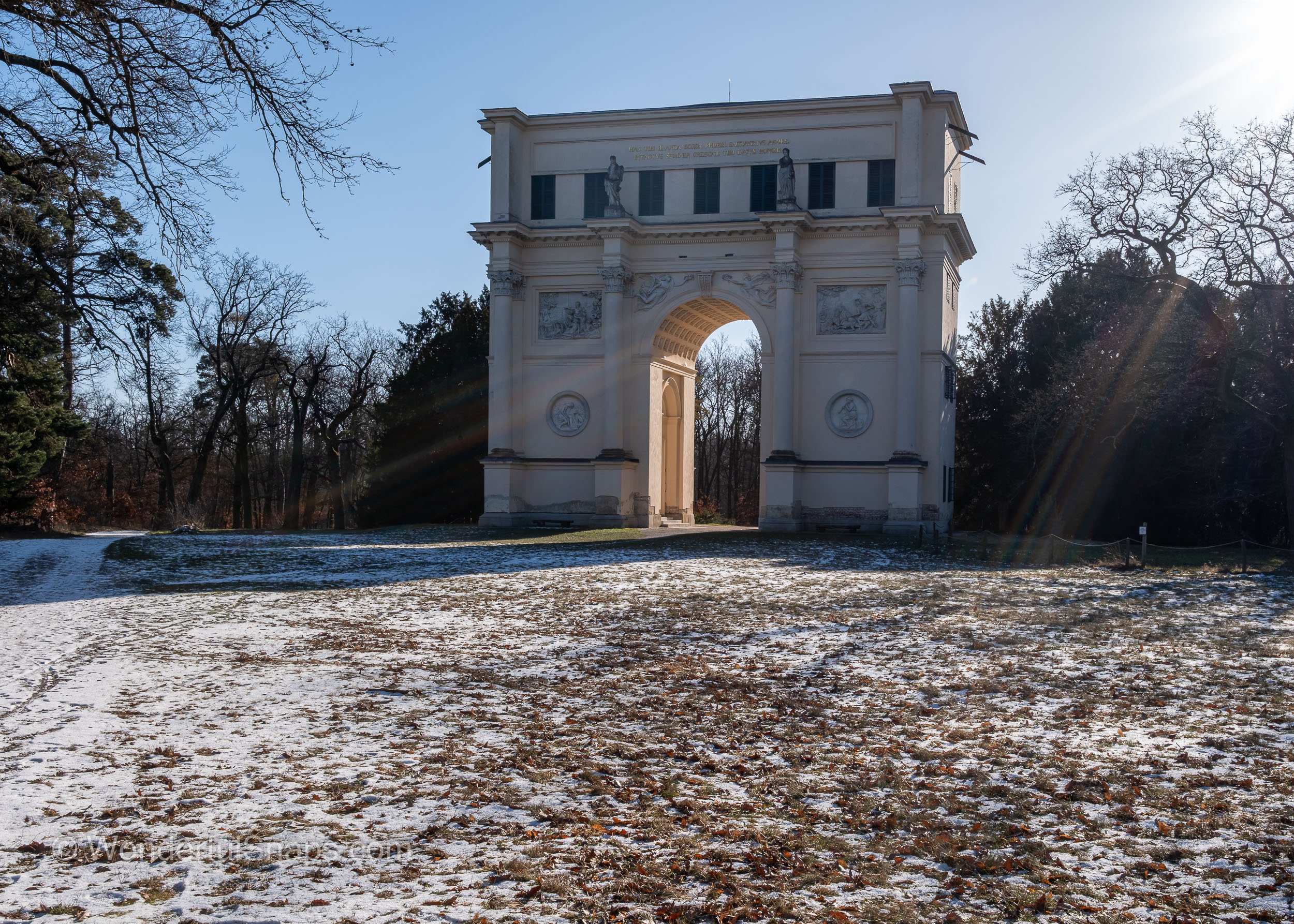
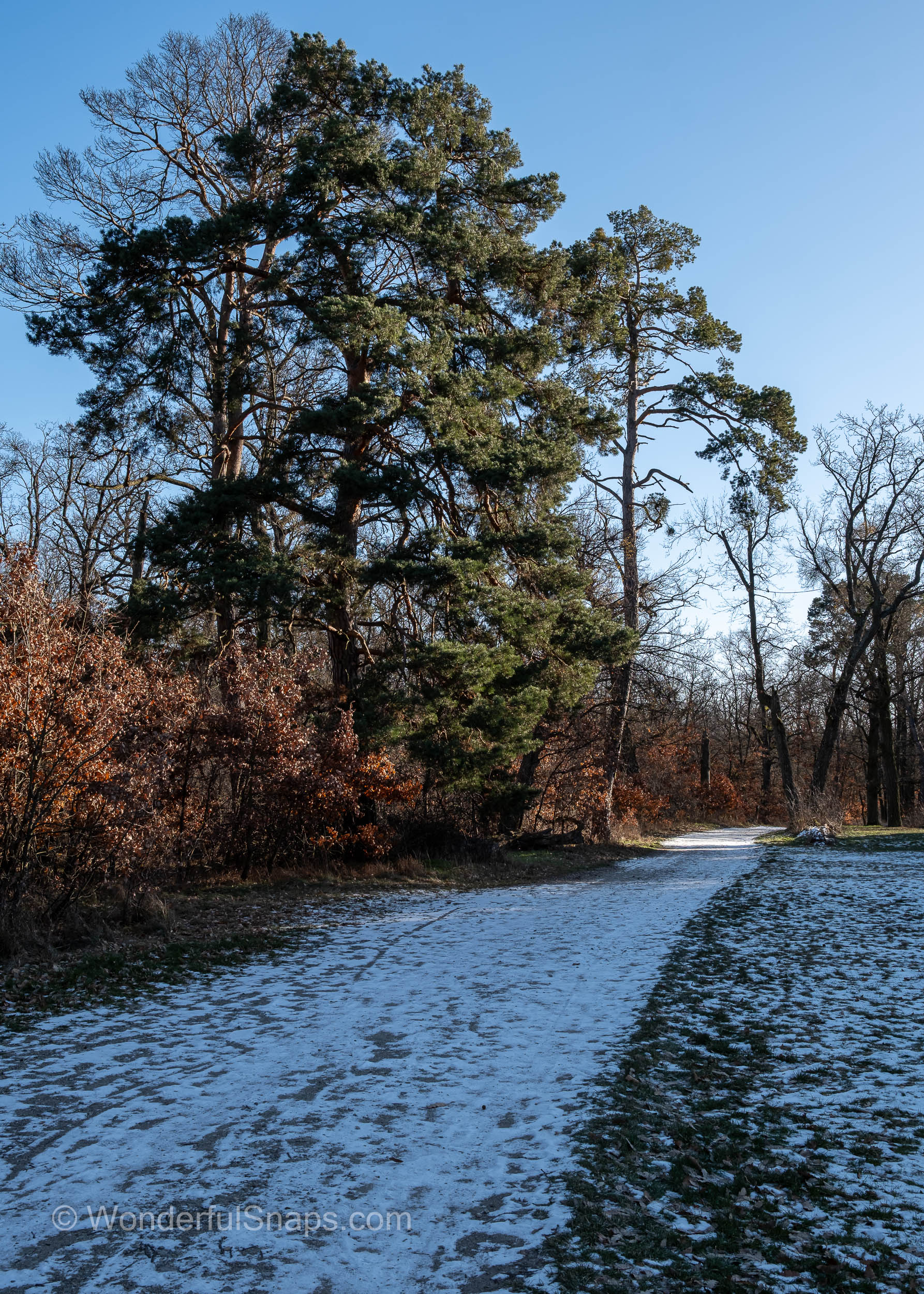
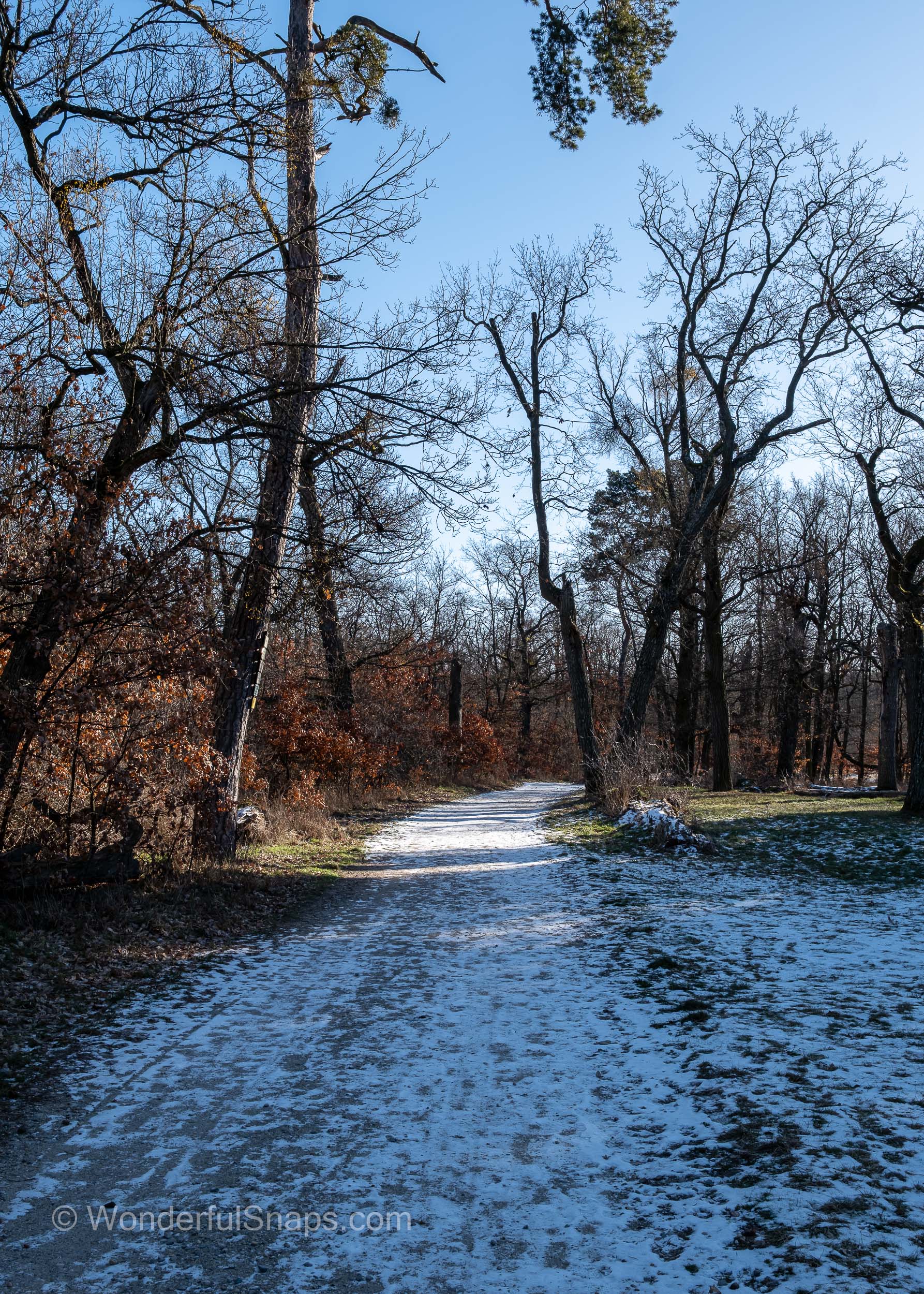
The Temple of Diana, also known as the Rendezvous, stands with quiet dignity on the edge of the forest in South Moravia, revealing a different and more introspective character during winter. Stripped of foliage and softened by a thin dusting of snow, the landscape allows the monument and its surroundings to speak with clarity and restraint. The classical triumphal arch, symmetrical and monumental, rises from the frozen grass like a gateway between the cultivated world and the untamed woodland beyond.
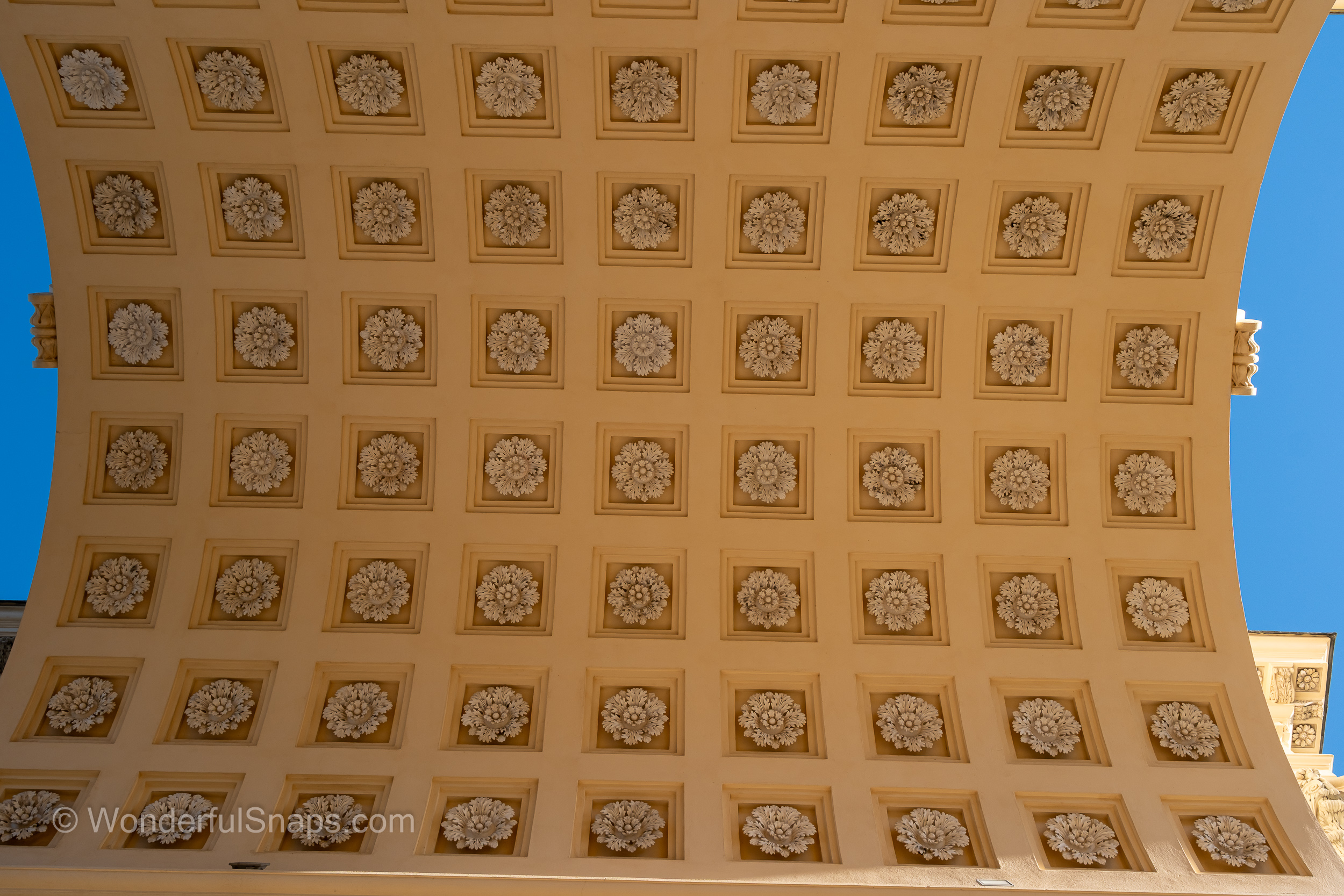
Built at the turn of the 19th century as part of the Lednice–Valtice cultural landscape, the structure reflects the romantic ideals of its time. Sculpted reliefs, columns and statues appear almost sculptural in the low winter light, their pale stone contrasting gently with the blue sky and dark tree lines. The long shadow cast through the central arch draws the eye forward, inviting the visitor to step through and follow the path into the quiet forest behind.
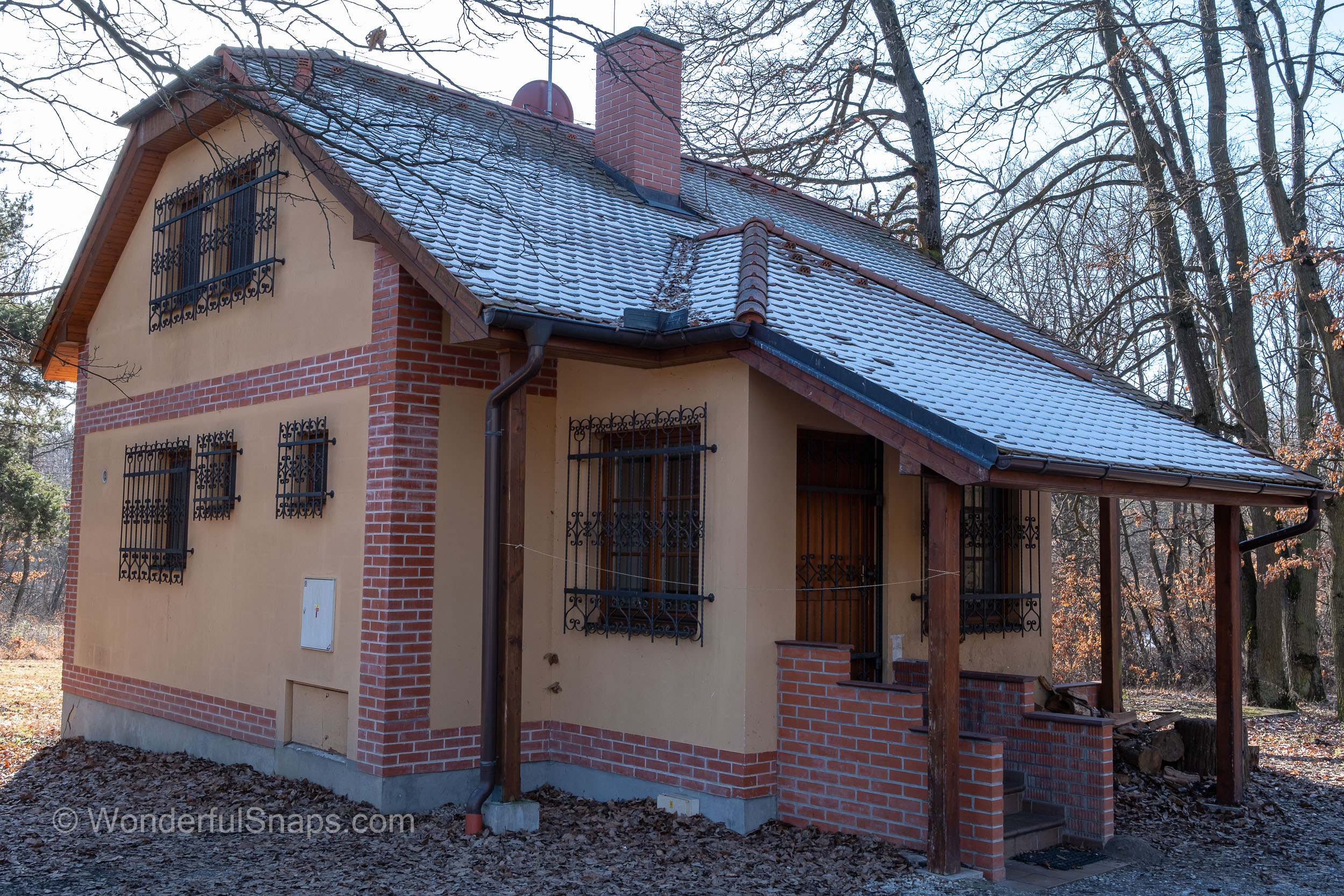
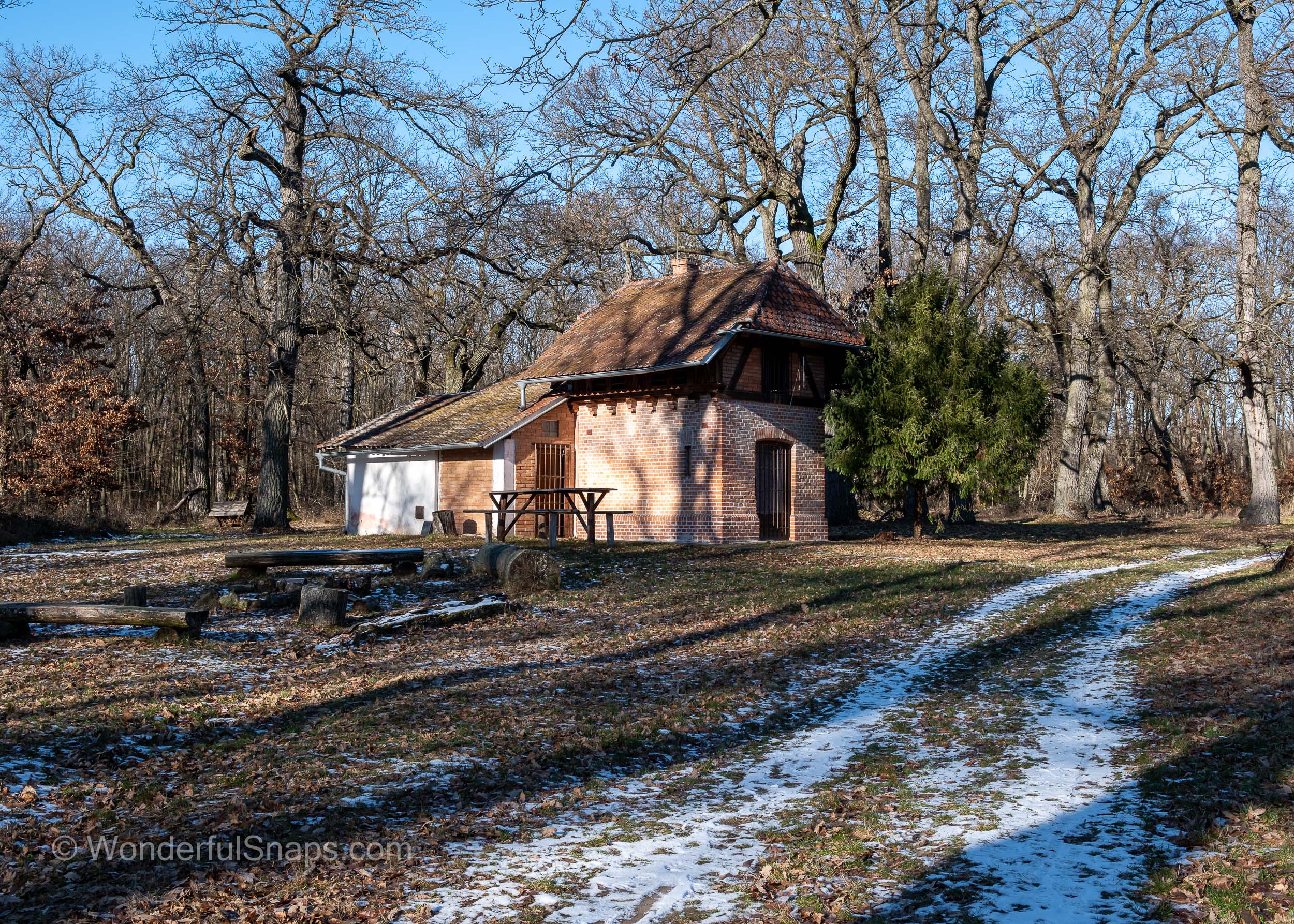
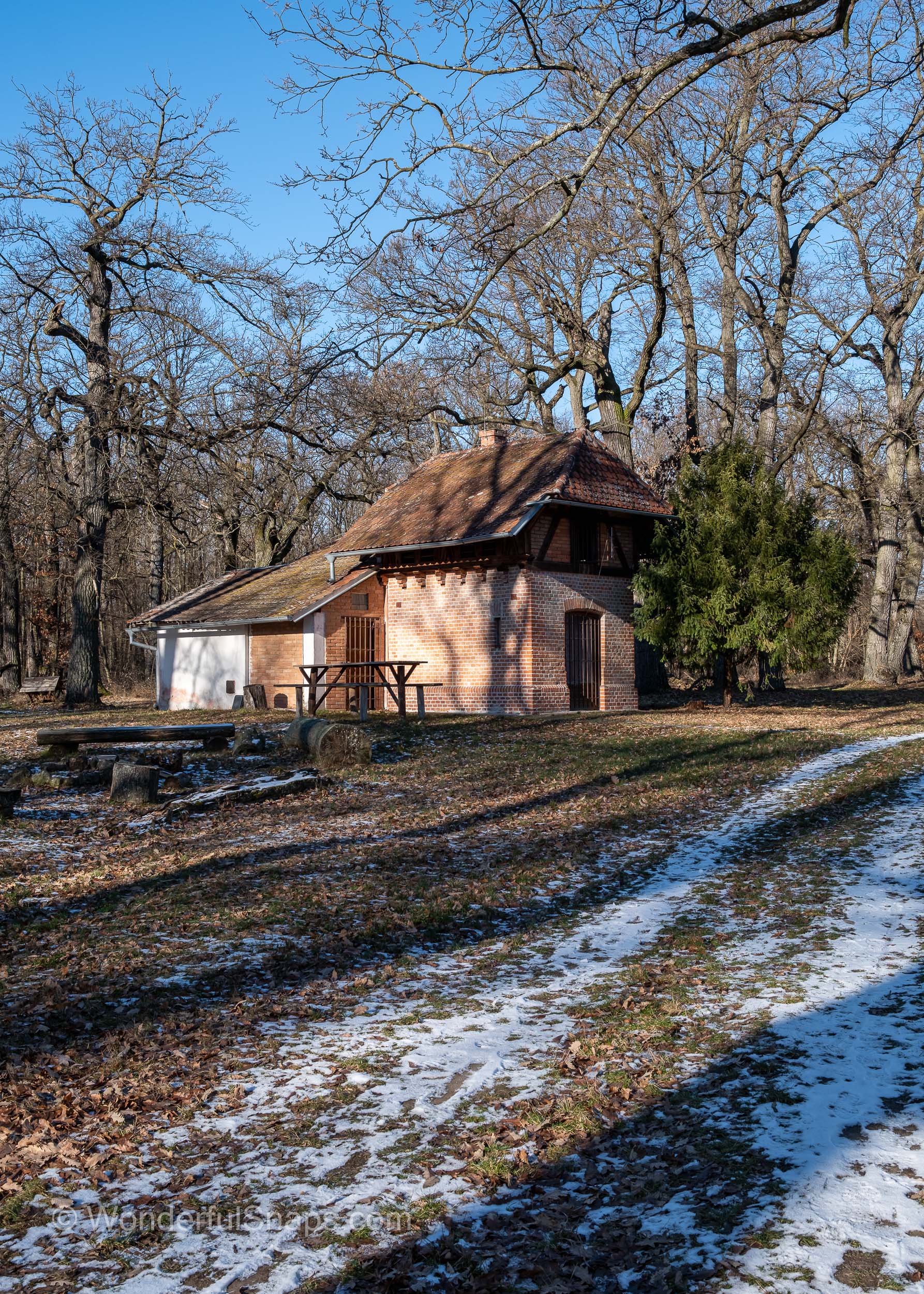
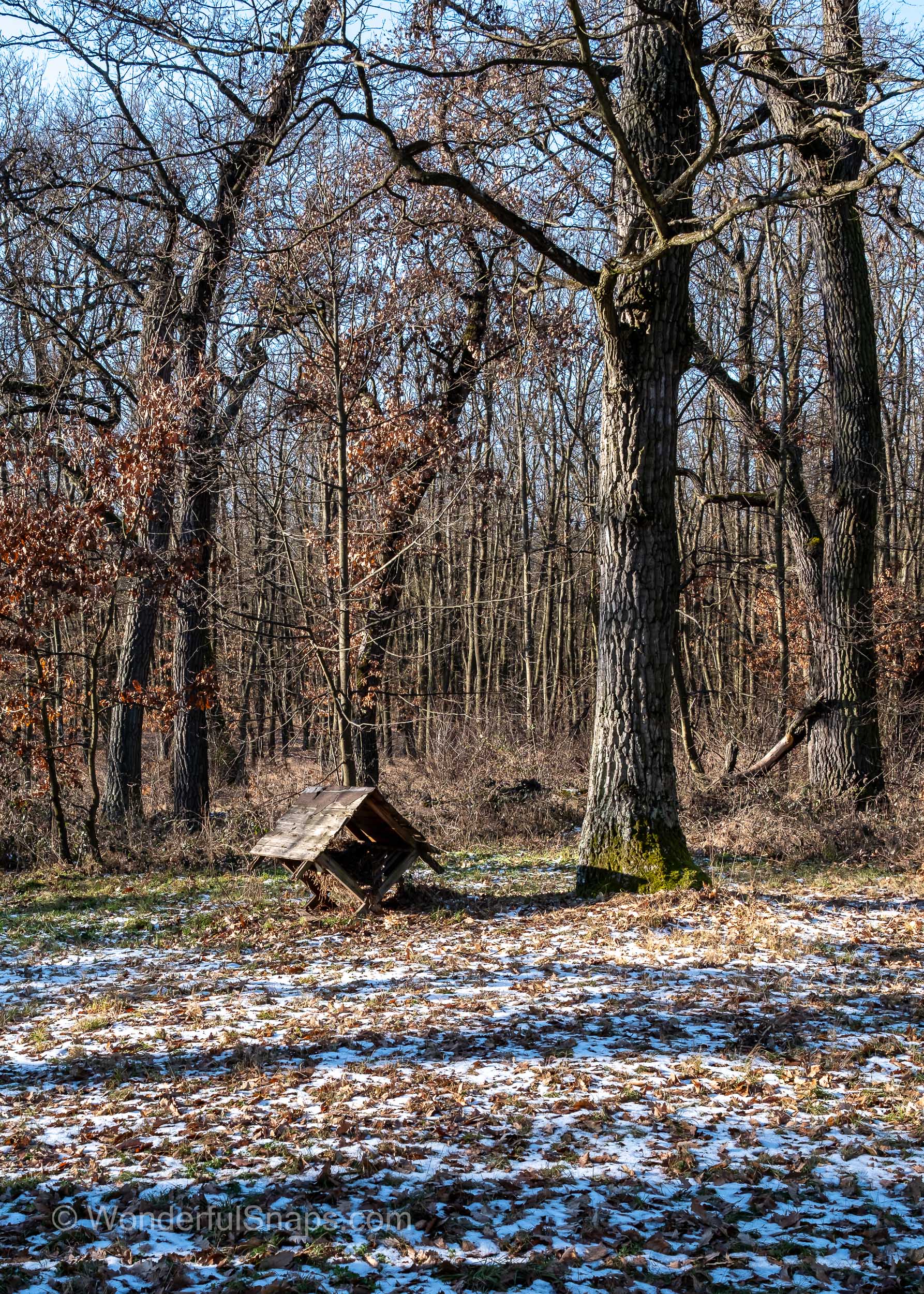
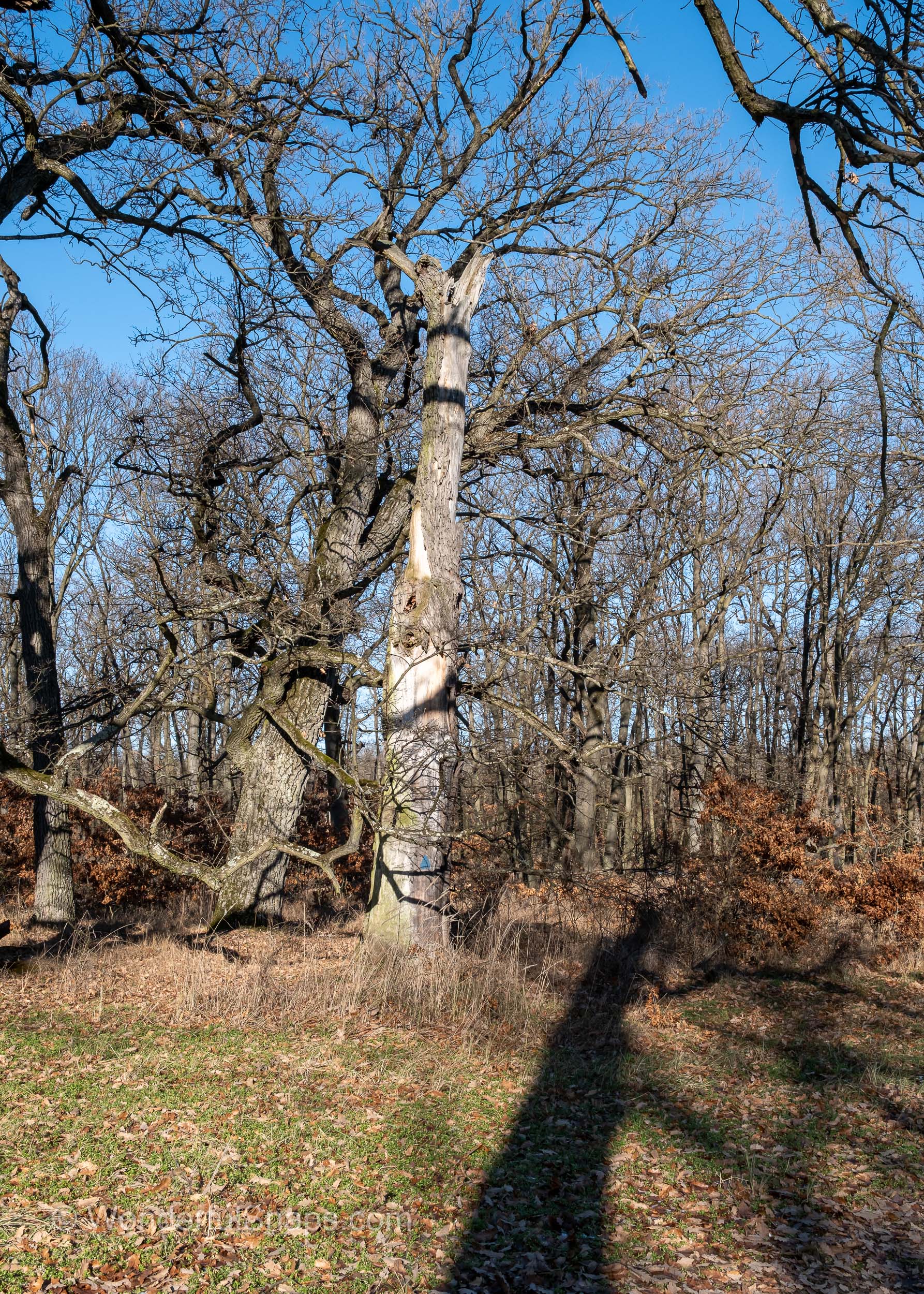
Nearby, modest brick forest buildings and resting places hint at the area’s former function as a hunting ground and social meeting point. In winter, these elements feel more intimate and authentic, free from distraction. Bare oak trees stretch their branches skywards, creating a dense lattice against the sky, while the forest floor is scattered with leaves, frost and traces of snow. Even simple details, such as a wooden feeder or bench, gain significance in the stillness, emphasising the relationship between humans and nature.
The absence of people enhances the atmosphere. There is a sense of pause, as if time itself has slowed. Winter reveals the underlying structure of the landscape – its geometry, textures and history – without the noise of colour and movement found in warmer months. Light becomes the main storyteller, shaping reliefs, trunks and paths with precision.
Together, these scenes present the Temple of Diana not just as a historical monument, but as part of a living landscape that changes its mood with the seasons. In winter, it becomes a place of reflection, calm and quiet continuity, where architecture and nature exist in balanced harmony.